Jack Moumdjian
July 30, 2026
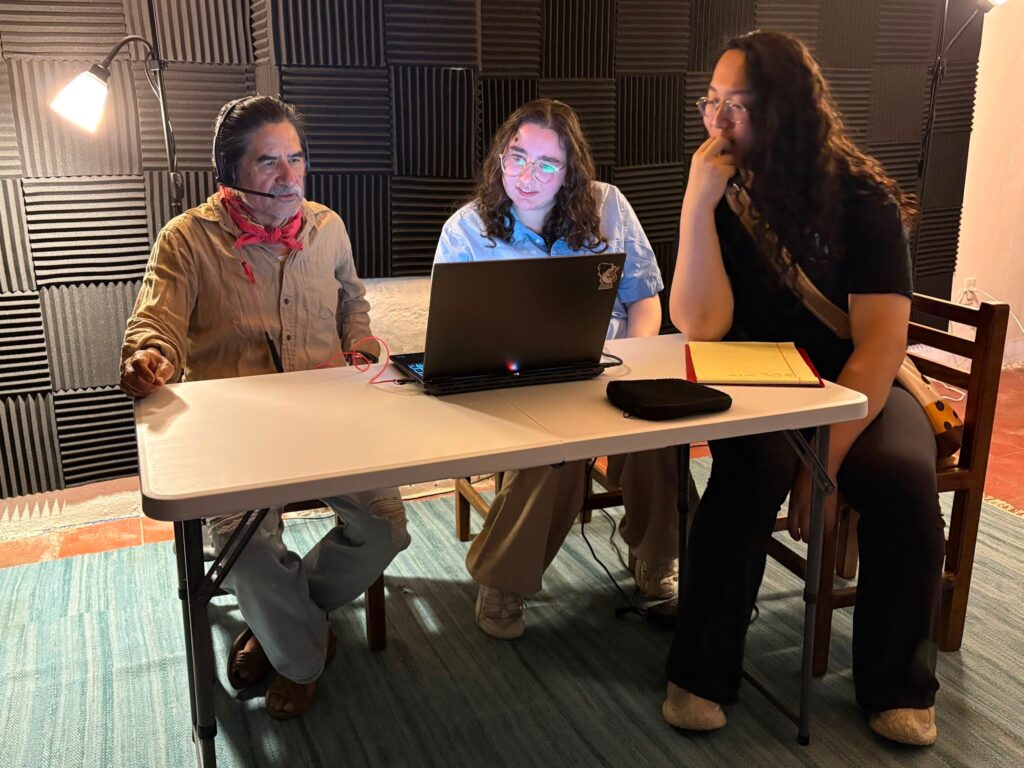
Dr. Felipe H. Lopez recorded the first words on the morning of June 27 for the San Lucas Quiaviní Talking Dictionary.
Benefits of the new TichaLab
As of June 27, Jardín Pochote has a recording space, aptly named TichaLab. This acoustically improved space allows for much higher quality audio recordings than were previously possible here. In addition, it allows teams to record entries for the Talking Dictionaries with significantly less frustration, as there are fewer interruptions due to ambient noise. Dr. Felipe H. Lopez recorded the first words on the morning of June 27 for the San Lucas Quiaviní Talking Dictionary.
Since opening, other teams working on other Talking Dictionaries have been able to use the new TichaLab, including San Jerónimo Tlacochahuaya, San Mateo Macuilxóchitl, Teotitlán del Valle, Villa de Zaachila, and Villa Díaz Ordaz.
Maestro Moisés García Guzmán, director of the San Jerónimo Tlacochahuaya Talking Dictionary, likes the idea of a separate recording space and notices its benefits. When recording outside, he has to shout “Recording!” to get the silence necessary for good recording, if other teams are recording in the same general area. Now, when he records in the TichaLab, he will not need to do that. When recording outside, recordings might be disturbed by noises like dogs barking, mototaxis rushing by, or similar sounds of the busy life just outside Jardín Pochote walls.

A mototaxi parked outside!
The acoustic treatment of the walls in TichaLab means that the noise of people talking elsewhere in the building, dogs on the street, and even mototaxis no longer necessitate re-recording. Now, almost every word can be successfully recorded in one take. Furthermore, the quality of TichaLab recordings is much higher than those recorded outside. Overall, García Guzmán appreciates having a quiet, separate space to record, and looks forward to recording many more words in the TichaLab going forward.
Designing the lab
Tri-Co Linguistics Laboratory Technologist Jeremy Fahringer oversaw the acoustic designing of the TichaLab in collaboration with Ticha co-director Brook Lillehaugen.. He shared that the TichaLab room’s brick and concrete walls, concrete floor, and arched brick roof with beams meant that sound would bounce around continuously off of hard surfaces and create echoes in recordings prior to audio treatment. The uncovered window in the room also allowed for sounds from outside the room to enter and register on audio recordings. In the construction of the lab, Fahringer focused on modifying the acoustic properties caused by the room’s structure. By covering the walls in acoustic panels, installing thick black-out curtains, and a rug, the new space blocks out almost all external sound and allows for sound produced within the room to be captured at a higher quality. While not completely acoustically deadened, the TichaLab now has modified acoustic properties which allow for much higher quality audio recordings.
The biggest consideration in designing this space was feasibility and accessibility for community members. Importing soundproofing materials from outside of Mexico would have doubled the price of the project, so solutions were limited to Mexican products that could be bought and shipped to Tlacolula easily. Given these constraints, the team found affordable and easy to install self-adhesive acoustic panels that would improve audio quality while still maintaining a soundroom environment that hopefully speakers feel welcome and comfortable in.
Because the TichaLab is a unique space with a specific set of constraints, quite unlike a university setting, the process of deciding to turn the space into a soundroom was a deliberate and considered project. Ultimately, the team decided on a practical, affordable soundroom design that will significantly improve audio quality and make the space useful for community collaborators while not making those recording in that space feel alienated with overly intense audio treatment solutions.
Hearing the difference in recordings
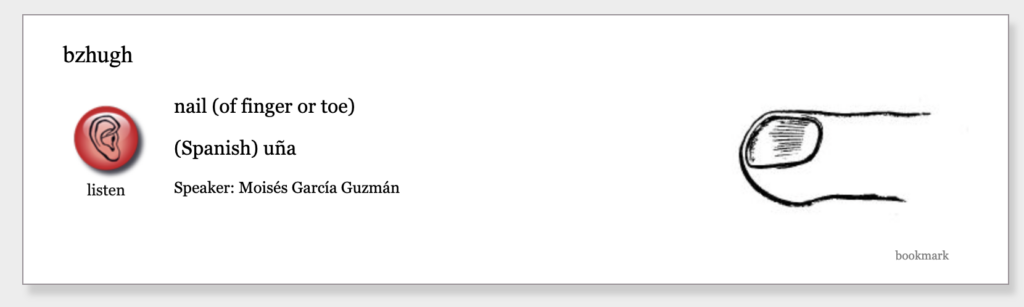
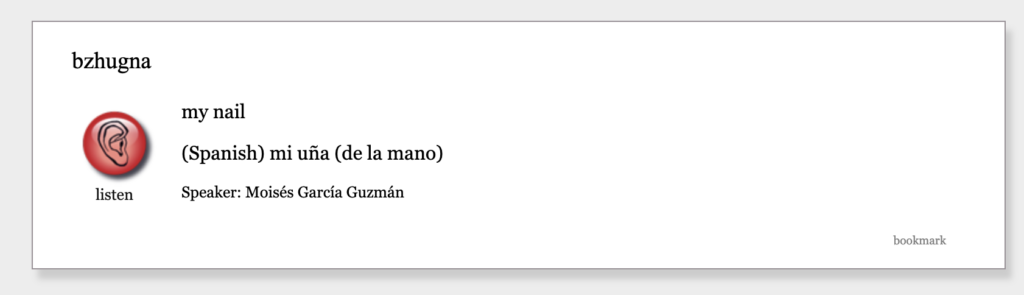
You can hear the difference in audio quality from the new TichaLab for yourself! Below are two entries for forms of the word bzhug ‘nail’. The first entry has an audio file recorded before we had the TichaLab. The second entry has an audio file recently recorded in the new Lab. Can you tell the difference?
Some special thank yous!
The Ticha Lab would not have been possible without the help of a number of individuals and organizations. Haverford College provided funding for the materials and other aspects of the project. Jeremy Fahringer designed the space and was the main force of labor in putting it together, along with Lopez and many Ticha Interns.
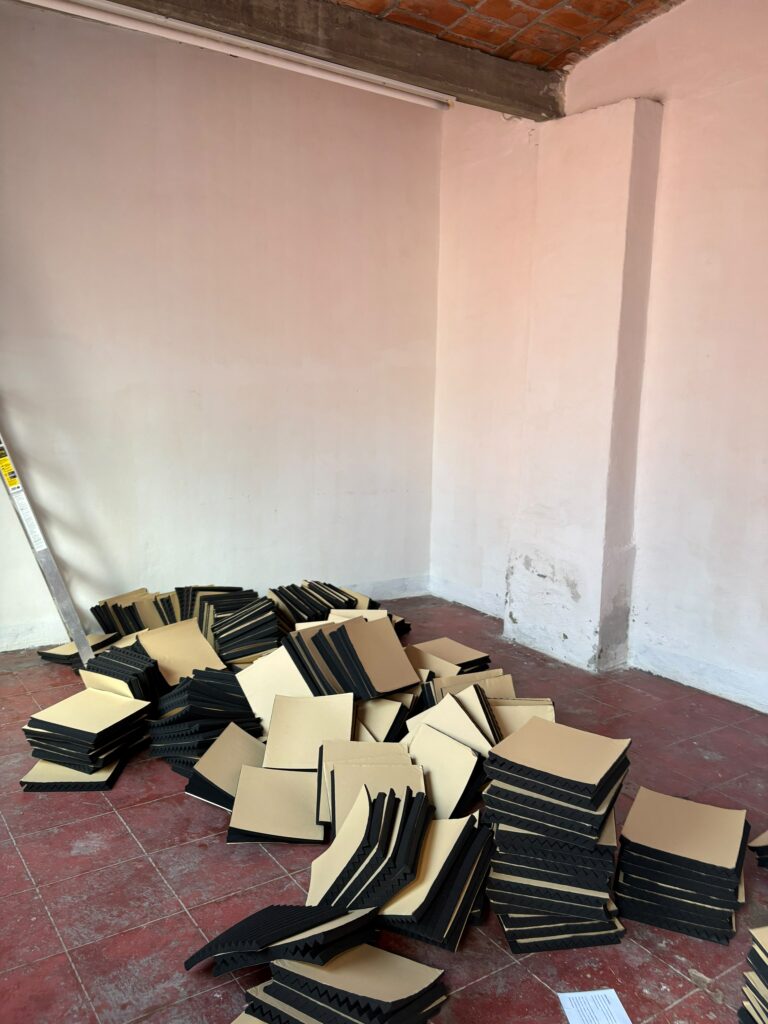
Before setting up
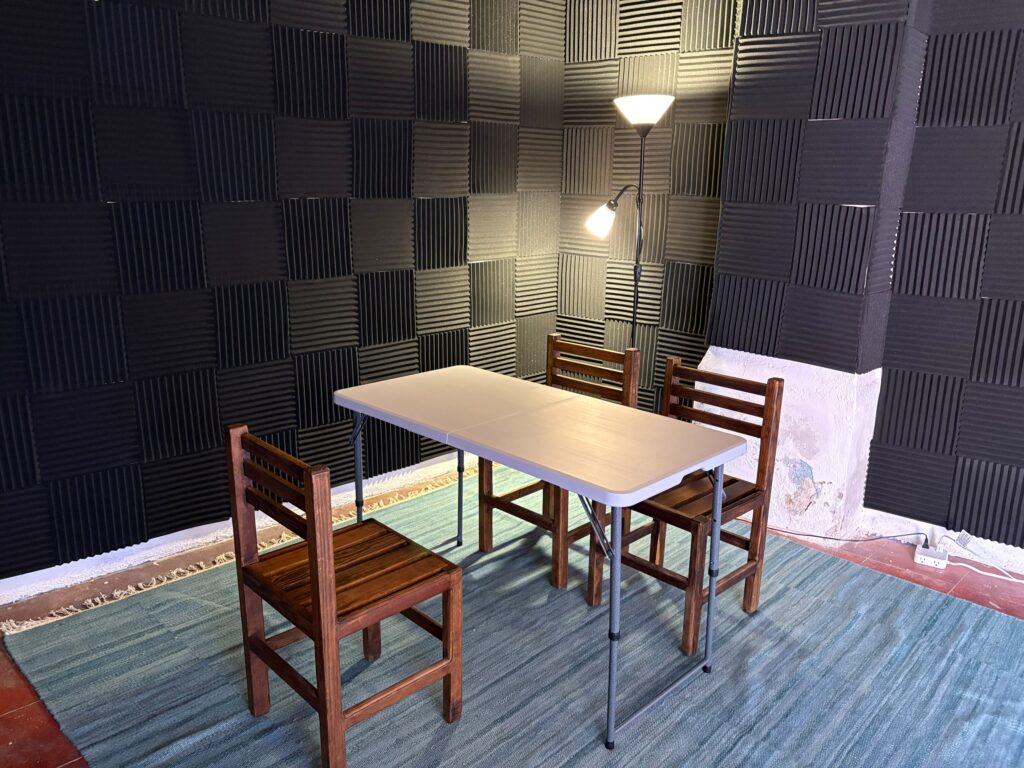
After setting up!
Here’s to many more recordings with fewer mototaxi interruptions!
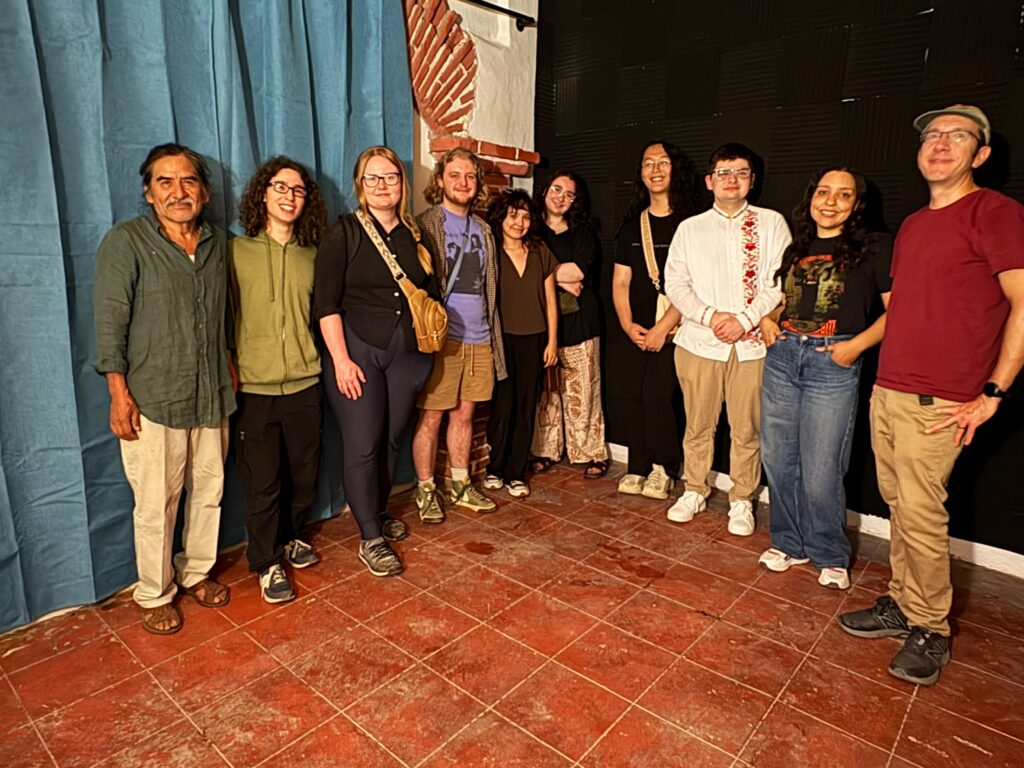
Our TichaLab set-up team!
Resources and references
Below is the link to the Tlacochahuaya Talking Dictionary referenced in the blog post:
https://talkingdictionary.swarthmore.edu/tlacochahuaya
Credits and contributors
Published: July 30, 2026
Author: Jack Moumdjian
Edited by: Brook Lillehaugen
Reformatted by: Dahlia Le Tourneau
If you have any questions, comments, or suggestions, the Ticha team and I can be reached at tichaproject@gmail.com.